Growing Awareness: Navigating the Intersection of Cancer Research and Environmental Care
In today’s world of oncology, the boundaries between cancer research and environmental care are increasingly blurred. As researchers delve deeper into the intricate connections between our ecosystems and health outcomes, it's crucial to recognize how environmental care fuels innovations in malignancy studies. Consider this: what if the trees in our urban landscapes could do more than beautify our cities? What if they played a pivotal role in our fight against tumors? This blog aims to explore the surprising interplay between environmental care and cancer research, highlighting why it's time to bridge this gap for a healthier future.
Cancer research has long focused on understanding the biological mechanisms behind tumor growth and treatment responses. However, mounting evidence suggests that our surroundings also play a critical role in shaping cancer awareness. A green space managed properly can boost our mental health and improve community well-being, while poor environmental conditions can lead to detrimental health outcomes. As we venture into the uncharted territory of connecting horticulture with healthcare, think about how your personal landscape might affect your health—perhaps investing in landscape maintenance is not just a luxury but an element of well-being.
The idea of a tree specialist working with oncologists may sound unusual, yet it’s a movement gaining traction. Can you imagine collaboration between arborists and cancer researchers? They could investigate how the ecosystem health impacts our susceptibility to various types of malignancy. Each day, we create content in our online journals and blogs, yet it's vital to consider how we might shift our narrative to include the environment in our discussions around cancer support. Engaging with our readers using these intriguing perspectives could ignite new awareness and drive action.
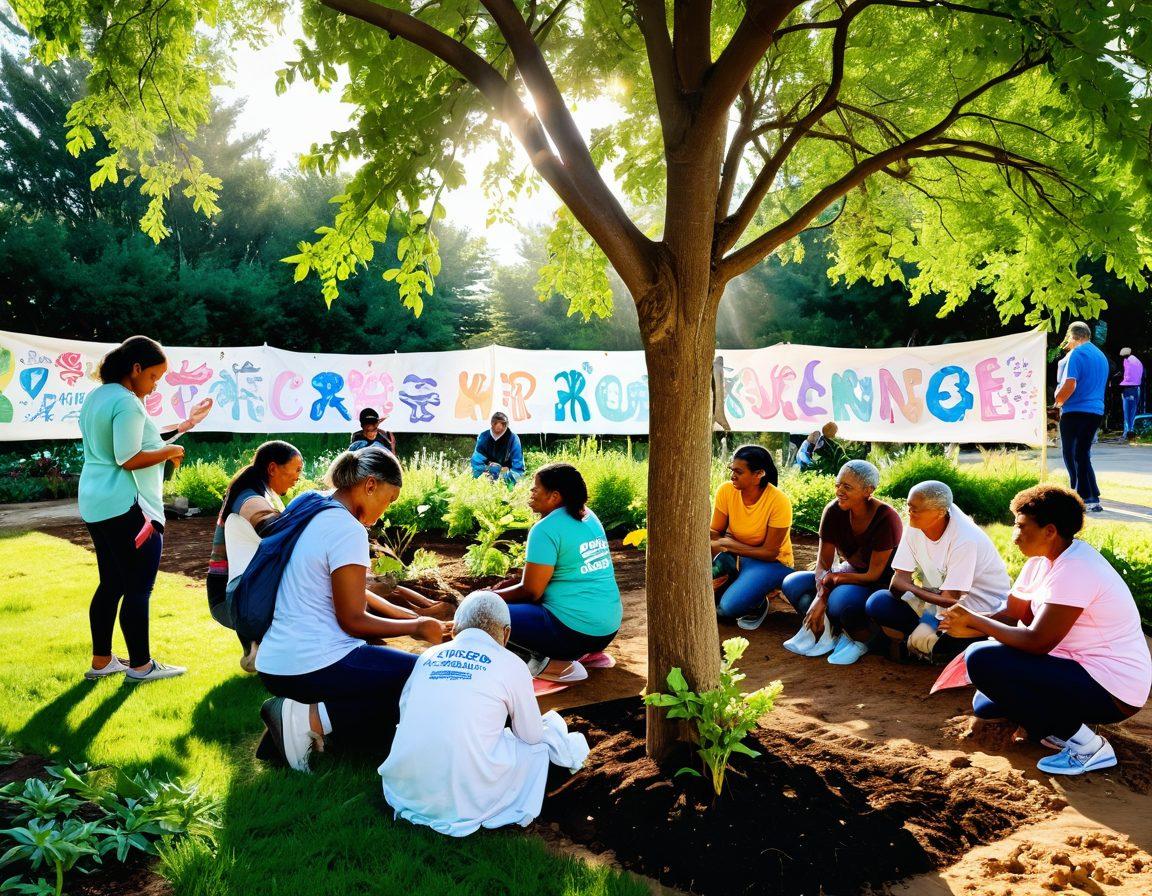
Let’s examine an inspiring case study: A community that integrates tree care services into their cancer awareness campaigns has seen incredible success. Garden care initiatives that promote local plant care not only beautify the neighborhood but also educate residents on how a healthy environment can lead to healthier lives. Could this model be replicated nationwide? It is essential for community members, including tree surgery experts and garden enthusiasts, to engage with healthcare professionals, creating a synergy between environmental care and cancer research that enhances both fields.
In conclusion, the journey toward bridging the gap between environmental care and cancer research may require us to reframe our approach to content creation and advocacy. By exploring the relationships within ecosystem health, botanical health, and oncology, we can contribute to a holistic understanding of well-being. As we nurture our green spaces, we also cultivate a more profound awareness of how our environment impacts our lives. Isn't it time we gave as much attention to the trees that grace our urban settings as we do to the latest treatments in cancer research? The future of cancer awareness may very well lie in our backyards—let's work together to uncover that potential.
Cultivating Knowledge: The Role of Arboriculture in Enhancing Cancer Awareness and Support
In a world where the fight against malignancies such as cancer continues to unfold with fervor, the conversation around wellness often seems to steer toward traditional medicine. However, an intriguing intersection is emerging between oncology and arboriculture—a relationship that goes beyond the expected realms of medicine and landscaping. Can the care of our green spaces truly enhance cancer awareness and support? As we delve deeper, it becomes clear that an understanding of how trees and plants contribute to both ecosystem health and personal well-being is essential. By cultivating knowledge in the field of arboriculture, we may not only embrace nature but also strengthen our responses to cancer research and support initiatives.
Imagine strolling through a lush park, feeling the stress of life melt away beneath the shade of towering oaks and fragrant magnolias. Trees, in all their majesty, offer more than just a picturesque backdrop; they play a role in our health. Scientific studies have indicated that exposure to green spaces can reduce stress, which is crucial for anyone navigating the turbulent waters of a cancer diagnosis. According to a recent report, people who engage in outdoor maintenance—be it planting, pruning, or simply enjoying nature—experience decreased levels of cortisol, the stress hormone. As we foster cancer awareness, we must also cultivate our local landscapes. Can we make a conscious effort to integrate tree care services into our cancer support programs?
The realm of arboriculture, led by tree specialists and dedicated tree services, holds rich potential for enhancing community cancer awareness. Picture local tree surgeries not merely as maintenance tasks but as events where families gather, armed with knowledge about health risks associated with environmental toxins and how they relate to cancer. Engaging in such community-driven initiatives fosters a sense of camaraderie and collective responsibility, which is integral in the fight against cancer. After all, when we care for our environment, we inadvertently care for our health; every diverse green space serves as a sanctuary for both plants and people alike. How can we infuse the principles of horticulture into our cancer care dialogues?
Our online journal of experiences, where blogging becomes a tool for community connection, can help bridge the gap between arboriculture and oncology. When individuals share their stories about how landscape maintenance has helped in their personal battles with cancer, it creates a powerful narrative. Engaging content creation allows us to spotlight the importance of plants in our living spaces, reminding us that cancer support extends beyond treatment; it encourages healing environments. Through these relatable stories, we can showcase how botanical health plays a pivotal role in overall well-being. Are we underestimating the power of greenspaces in supporting patients, survivors, and their families?
In conclusion, while it may seem unlikely, arboriculture can significantly inform and enhance our understanding of cancer research and support. We must consider how green space management can bidirectional: as we cultivate the outdoors, we cultivate awareness about our own health. By intertwining tree care services with cancer education and community events, healthcare professionals and tree specialists can forge alliances that promote ecosystem health and underscore the significance of plant care. Collectively, we can plant the seeds of awareness and hope, leading to a brighter future in the fight against cancer. Are we ready to embrace this unique collaboration between nature and health?
From Gardens to Goals: Exploring the Interconnection Between Tumor Research and Ecosystem Health
In a world increasingly aware of the delicate balance between our health and the environment, the connection between cancer research and ecosystem health is one that demands our attention. Think about it: just as we need healthy bodies to fight malignancy, our planet requires robust ecosystems to support life. As we stand in our gardens, pruning back overgrown branches or carefully nurturing seedlings, we’re engaging in a ritual that goes beyond mere aesthetics—it’s a symbolic representation of our relationship with health, both personal and ecological. Could our quest for better oncology outcomes be intertwined with nurturing our green spaces?
When we explore the interconnection between tumor research and environment, we find that cancer awareness extends to the very conditions that support life on Earth. Plants, trees, and various forms of horticulture play a significant role in our well-being. For instance, a recent study highlighted that greener urban environments—those with proper tree care services and landscape maintenance—can contribute to lower cancer rates. Isn’t it fascinating how something as simple as gardening can have monumental implications in the realms of health? This makes one ponder: What steps are we taking to ensure our gardens are not just beautiful, but also thriving ecosystems that contribute to our overall health?
As we venture deeper into this journey of intertwining garden care and cancer research, let’s not forget the healing power of nature. Engaging with green spaces has been shown to reduce stress, which can impact malignancy development. The act of planting a tree, perhaps under the guidance of a tree specialist, becomes not just an act of outdoor maintenance but also a step toward personal wellness. And here’s a question to reflect on: How engaged are you with your local environment? Are you utilizing the therapeutic benefits of gardening or ecological volunteering?
Simultaneously, cancer support groups and communities can take a leaf from the book of ecological advocates. Imagine creating community gardens that serve dual purposes: cultivating plants that provide healthy food options while also fostering a support network for those affected by cancer. Engaging in such community-based projects can amplify cancer research awareness. By working together in shared green spaces, we can transform our surroundings while also sowing the seeds of care and compassion for each other. What plants do you envision growing in your community garden?
The journey doesn't stop here; it extends into our online spaces as well. Through blogging and content creation, individuals can express their stories and insights on cancer awareness while highlighting the importance of environmental care. Whether it’s an online journal chronicling your personal battles with cancer or the transformative power of a well-tended garden, the shared narratives can resonate with others looking to understand the complex ties between their health and ecosystem health. So next time you pick up a spade or write a blog post, remember that you’re wielding the power to inspire others while promoting both botanical health and cancer awareness. What message will you plant today?